

How to Use AI as a Daily Assistant (Not a Replacement for Thinking)
AI is everywhere right now.
Some people are excited.
Some people are overwhelmed.
Some people are quietly worried they’re already behind.
And many are asking the same question:
“If AI can do so much… where does that leave me?”
The answer is simpler — and more reassuring — than most headlines make it sound.
AI isn’t here to replace your thinking.
It’s here to support it.
When used correctly, AI acts like a daily assistant that helps you move faster, stay focused, and reduce friction — without taking away your judgment, creativity, or decision-making.
This article will reset expectations and show you how to use AI calmly, practically, and productively.
First: What AI Is Actually Good At
AI shines when tasks are:
Repetitive
Time-consuming
Structured
Blank-page related
Think of AI as very good at starting, organizing, and supporting — not deciding.
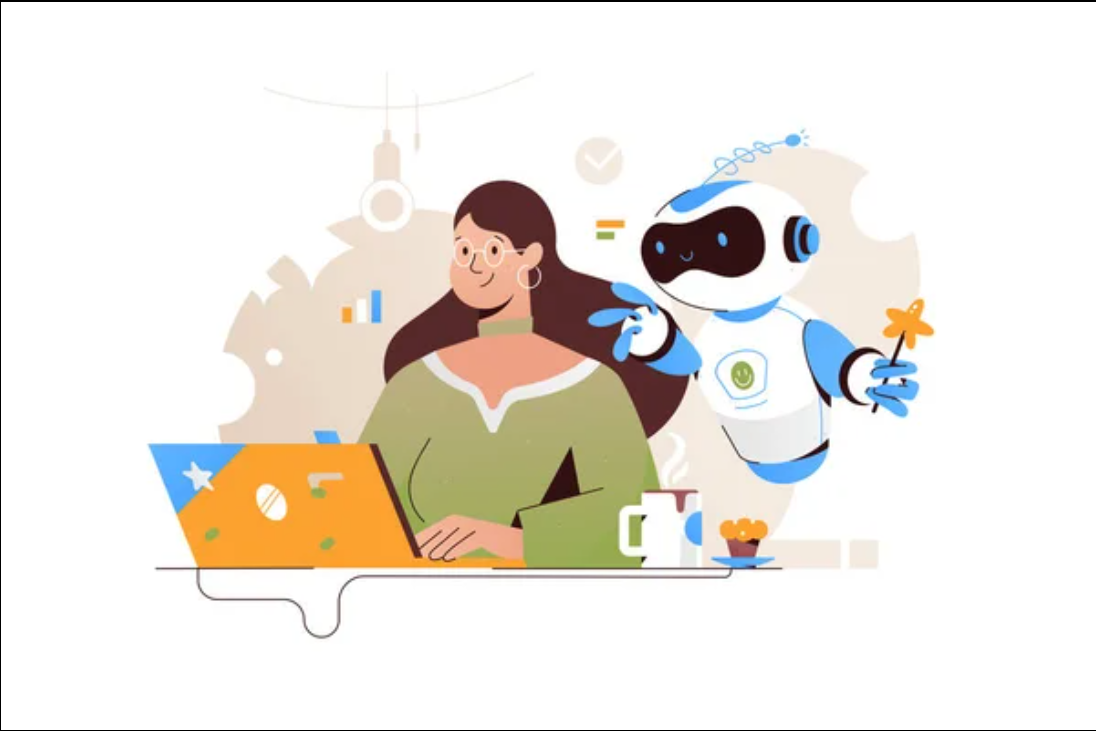
AI is excellent at:
Generating ideas when you feel stuck
Turning rough thoughts into drafts
Summarizing information
Organizing lists or outlines
Rewriting text for clarity
Helping you think through options
AI reduces friction between thinking and doing.
What AI Is Not Good At (And Never Will Be)
This is where fear usually comes from.
AI does not:
Understand your goals the way you do
Know what matters most in your life
Make value-based decisions
Replace lived experience
Take responsibility for outcomes
AI doesn’t have judgment.
It doesn’t have context unless you provide it.
And it doesn’t care if the advice fits your real life.
That part is still yours — and always will be.
The Right Mental Model: AI as a Junior Assistant
A helpful way to think about AI is this:
AI is like a very fast, very capable assistant —
but you are still the manager.
You:
Decide what to ask
Decide what to keep
Decide what to ignore
Decide what to act on
AI supports your thinking.
It does not replace it.
When people struggle with AI, it’s usually because they expect it to think for them instead of with them.
Simple Daily Uses of AI (That Don’t Feel Overwhelming)
You don’t need to “use AI for everything.”
Here are small, realistic ways people successfully use AI each day.
1. Getting Unstuck When You Don’t Know Where to Start
Instead of staring at a blank screen, you can ask:
“Help me outline this idea simply.”
“Give me three ways to start this email.”
“Ask me five questions to clarify my thinking.”
AI helps you begin — not finish.
2. Turning Rough Thoughts Into Clear Writing
You can write messy, imperfect thoughts and ask AI to:
Clean them up
Make them clearer
Simplify the language
This doesn’t remove your voice — it refines it.
3. Summarizing Information Faster
Instead of reading 10 pages, you can:
Paste text and ask for a summary
Ask for key takeaways
Request a beginner-friendly explanation
This saves time and mental energy.
4. Creating Simple Structure
AI is excellent at:
Turning ideas into outlines
Organizing lists
Breaking big tasks into steps
Structure reduces overwhelm — and AI creates structure quickly.
5. Helping You Think, Not Decide
One of the most powerful uses of AI is reflective thinking:
“What are the pros and cons of this?”
“What might I be overlooking?”
“What questions should I be asking?”
You still make the decision — AI just helps you see the landscape more clearly.
What AI Should Never Replace
AI should never replace:
Your judgment
Your values
Your lived experience
Your responsibility
If something matters deeply — relationships, finances, ethics, long-term direction — AI can assist, but you decide.
That balance is the key to using AI confidently instead of fearfully.
Why This Approach Actually Works
People who succeed with AI don’t:
Chase every new tool
Automate everything
Try to be “ahead of everyone else”
They use AI to:
Save time
Reduce friction
Stay consistent
Think more clearly
This calm, grounded approach builds confidence instead of anxiety.
Resetting Expectations (The Most Important Part)
AI is not magic.
AI is not a shortcut to success.
AI is not a replacement for effort.
But it is:
A powerful support tool
A thinking partner
A way to reduce unnecessary struggle
When expectations are realistic, AI becomes empowering instead of intimidating.
Final Thoughts
You don’t need to fear AI.
You don’t need to master it overnight.
You don’t need to use it constantly.
You just need to see it clearly.
AI works best when it supports your thinking, your goals, and your pace — not when it tries to replace them.
Used this way, AI becomes a quiet advantage in daily life and work — not something to be afraid of.
And that’s where real progress begins.